


Winter-Ready Calm in Stop-and-Go Traffic — Mitsubishi SUVs vs Toyota for Commuters near Saint Paul, MN
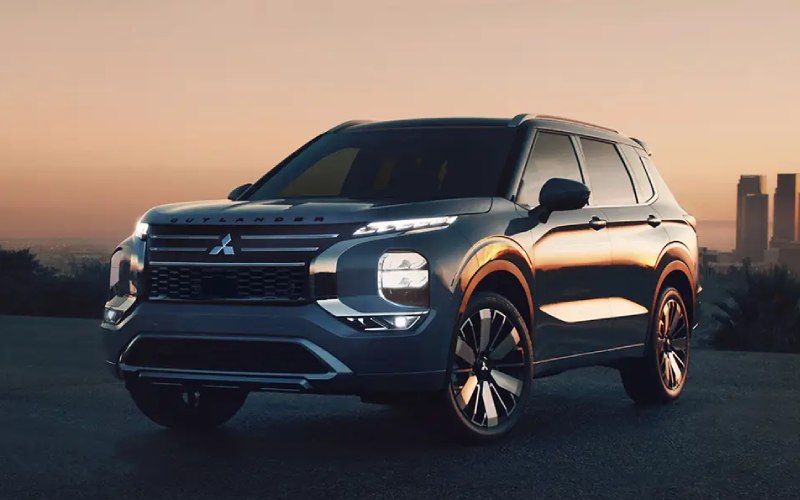
White Bear Mitsubishi – Winter-Ready Calm in Stop-and-Go Traffic — Mitsubishi SUVs vs Toyota for Commuters near Saint Paul, MN
Life along I-94, I-35E, and Snelling Ave never slows down just because the snow starts flying, and that is exactly why many shoppers near Saint Paul, MN compare Mitsubishi SUVs with Toyota’s lineup when planning for winter. At White Bear Mitsubishi, we talk with commuters every day who navigate pre-dawn cold starts, slush-rutted side streets in Highland Park, and wind-swept bridge decks over the Mississippi. Below, we focus on one specific question that matters in our climate: which brand helps you feel calmer and more in control during real-world, stop-and-go winter driving. We cover traction, driver-assist confidence, cabin comfort in deep cold, and everyday versatility—favoring Mitsubishi where it earns the edge, while giving Toyota credit where it performs well.
First, let’s ground this comparison in what Saint Paul commuting actually looks like. Piles of plow berms often line Grand Ave and neighborhood alleys, freeway merges pack up around downtown ramps, and thaw-freeze cycles can leave abrupt potholes along the shoulder. Getting through this day after day is less about spec sheet bragging rights and more about holistically tuned traction management, predictable driver assists, and features that keep you focused when it is 10 degrees and windy.
Mitsubishi’s approach to all-weather traction starts with Super All-Wheel Control (S-AWC) on models like Outlander and Eclipse Cross, and All-Wheel Control (AWC) on Outlander Sport. S-AWC integrates yaw control, braking, and torque distribution to all four wheels, then ties it to clear drive modes—including Snow—designed for low-friction surfaces. In practice, Snow mode dials in gentler throttle tip-in, prioritizes steady launches, and steadies the vehicle as you transition from polished ice at a stoplight to slush in the right lane. It is this coordination—engine, transmission, brakes, and differentials working together—that helps Mitsubishi feel composed in those choppy grooves left by plows after a midweek squall.
Toyota offers multiple AWD technologies across its crossovers and SUVs, ranging from electronic on-demand systems in hybrid models to Dynamic Torque Vectoring AWD with a rear driveline disconnect in select trims. In fair weather and even in moderate snow, Toyota’s systems do a commendable job, and many models include terrain or drive modes that adapt throttle and traction control. The difference we hear from our guests after back-to-back test drives is how S-AWC’s Snow mode feels more intuitively tuned for frequent stop-starts on packed snow—those little moments when you are creeping down Kellogg Blvd, braking and re-accelerating at 15 mph while the surface alternates between salted patches and slick shade.
Driver-assist technology also matters for winter calm. Mitsubishi’s available MI-PILOT Assist™ on Outlander and Outlander PHEV combines Adaptive Cruise Control with Stop & Go and Lane Keep Assist to help maintain following distance and steering support in light traffic, all the way down to a stop. When you roll through the I-94/US-52 interchange and traffic compresses, MI-PILOT Assist™ can ease that constant micro-adjusting that wears you out on long commutes. Toyota Safety Sense 3.0 is robust as well—bringing features like Full-Speed Range Dynamic Radar Cruise Control and Lane Tracing Assist to many models—and we respect its wide availability. Where Mitsubishi often earns praise is in the natural steering feel and smoother low-speed behavior of MI-PILOT Assist™ during true crawl-and-go, which is precisely the rhythm of winter rush hours here.
Comfort and visibility in deep cold are another make-or-break factor. Mitsubishi cabins emphasize fast warm-up, intuitive heating controls, and features that keep hands and sightlines fresh: available heated front and rear seats, an available heated steering wheel, and clear, high-mounted displays. Mitsubishi Connect with Safeguard and Remote Services can start your vehicle remotely from the app, so you are not scraping as long when the snow refreezes overnight in Cathedral Hill. Toyota also offers app-based remote start on many models and plenty of cold-weather amenities. The difference is how cohesively Mitsubishi layers these touches—switchgear that is easy to use with gloves, and a straightforward climate interface—so you spend less time fiddling and more time scanning traffic.
Space and everyday flexibility matter too, especially when winter gear piles up. Outlander offers seating for up to seven—useful for a kiddo carpool to West Seventh or a last-minute airport run—while Eclipse Cross and Outlander Sport provide smart two-row packaging for city parking. Toyota’s lineup answers with a wide range of five-seat crossovers and three-row SUVs of its own. If you want an efficient plug-in and still need available cargo flexibility for skis or an occasional dog crate, Outlander Plug-in Hybrid (Outlander PHEV) gives you S-AWC traction with smooth, quiet electric driving around town for many daily errands, and no range anxiety on a weekend up to Duluth when the weather turns.
Infotainment can also shape winter confidence. Mitsubishi’s available 12.3-inch Digital Driver Display and Smartphone-link Display Audio with Navigation present crisp, legible mapping to help you spot alternate routes when a snow emergency re-routes your usual side street. And for those long, slow crawls on I-35E, the available Yamaha® premium audio system in Outlander brings concert-level clarity that takes the edge off the drive. Toyota counters with large, modern touchscreens and an available JBL® system in several models. Both are strong; our shoppers often point to Mitsubishi’s tactile controls and the way the voice guidance cuts cleanly through cabin noise when the defroster is on high.
Ownership confidence in a four-season climate is not just about the drive—it’s also about coverage and support. Mitsubishi vehicles are backed by a standout limited warranty package, including a 10-year/100,000-mile Powertrain Limited Warranty for the original owner, and 5-year/unlimited-mile Roadside Assistance. Toyota provides solid coverage as well, though its powertrain term is typically shorter for most models. Locally, our Service Department makes winter upkeep easier with online scheduling, a Complimentary Touchless Car Wash with every service, convenient Saturday Express Lane hours for oil changes, and shuttle or valet options—so you can keep your vehicle winter-ready without disrupting your week.
To summarize how this plays out for real Saint Paul driving, here are the factors our guests notice most when comparing Mitsubishi with Toyota for winter commute calm.
- Snow-mode confidence: Mitsubishi S-AWC Snow mode feels especially settled launching from slick intersections and tracking through slush ruts.
- Low-speed driver-assist smoothness: MI-PILOT Assist™ behaves naturally in crawl-and-go traffic, easing fatigue on I-94 and I-35E.
- Cold-weather conveniences: Available heated wheel and rear seats plus Mitsubishi Connect with Safeguard and Remote Services make subzero mornings simpler.
- Real-life versatility: Outlander seats up to seven, while Eclipse Cross and Outlander Sport fit city parking—covering needs from carpool to curbside pickup.
- Warranty peace of mind: Long powertrain coverage and 5-year/unlimited-mile Roadside Assistance support year-round ownership confidence.
Of course, Toyota remains a worthy cross-shop, especially for shoppers already familiar with Toyota Safety Sense 3.0 and hybrid options. The bottom line we hear from our Saint Paul neighbors is that Mitsubishi’s holistic winter tuning—traction, assists, ergonomics, and support—feels tailored to the realities of our roads and weather without asking you to compromise the daily versatility you need.
If you are weighing which brand delivers a calmer winter commute, we invite you to test both on the same day. Start with an Outlander, Eclipse Cross, or Outlander Sport on our nearby routes that include a few stoplights, a freeway merge, and some plow berms when nature cooperates. Then hop in a comparable Toyota to feel the difference back-to-back. Our team can show you how S-AWC or AWC behaves in Snow mode, how MI-PILOT Assist™ handles a rolling queue, and how Mitsubishi Connect with Safeguard and Remote Services works on a January morning—so you can decide with confidence.
Frequently Asked Questions:
Which Mitsubishi SUVs offer S-AWC, and why does it matter for Saint Paul winters?
S-AWC is available on Outlander and Eclipse Cross, while Outlander Sport offers AWC. S-AWC coordinates power delivery and braking at each wheel and adds a Snow drive mode that helps smooth launches and lane changes on packed snow and slush—exactly the conditions you will find on city streets and bridge decks in Saint Paul after a plow pass.
How does MI-PILOT Assist™ compare with Toyota Safety Sense 3.0 in stop-and-go traffic?
Both deliver Adaptive Cruise Control and lane-centering support. MI-PILOT Assist™ in Outlander and Outlander PHEV is tuned for natural low-speed behavior, maintaining gaps and resuming smoothly after full stops. Toyota Safety Sense 3.0 is capable and widely available; many shoppers prefer Mitsubishi’s steering feel and gentle throttle application during the slow roll typical of I-94 and I-35E in winter.
Do Mitsubishi SUVs offer remote start through an app for cold mornings?
Yes. Mitsubishi Connect with Safeguard and Remote Services allows remote engine start and more from your smartphone, so you can warm the cabin and defrost before heading out. Toyota provides similar app-based features on many models, but our customers appreciate the straightforward setup and interface of Mitsubishi Connect.
Can a Mitsubishi Outlander handle family carpooling and weekend gear in winter?
Outlander seats up to seven, making it a smart fit for carpools or visiting family. With S-AWC and dedicated drive modes, it maintains trustworthy traction when Summit Ave or neighborhood hills are slick, and the flexible cargo area manages hockey bags, skis, or a grocery haul without drama.
How does Mitsubishi warranty coverage compare to Toyota for long-term ownership?
Mitsubishi provides a 10-year/100,000-mile Powertrain Limited Warranty for the original owner, complemented by a 5-year/unlimited-mile Roadside Assistance program. Toyota offers strong coverage, though the powertrain term is generally shorter. That added Mitsubishi coverage brings extra peace of mind for year-round Minnesota driving.
Winter driving near Saint Paul asks a lot of your vehicle—calm traction on uneven surfaces, intuitive assists when traffic squeezes down, and comforts that help you stay focused when the temperature dips. If that sounds like your daily routine, our recommendation is to experience Mitsubishi first-hand. Visit White Bear Mitsubishi on Highway 61 in White Bear Lake to explore Outlander, Outlander PHEV, Eclipse Cross, and Outlander Sport, and let our team help you compare them with Toyota alternatives in a route that mirrors your real commute. We are here to make your decision easier—and your winter drives a lot more relaxed.

0 comment(s) so far on Winter-Ready Calm in Stop-and-Go Traffic — Mitsubishi SUVs vs Toyota for Commuters near Saint Paul, MN