


Which plug-in hybrid SUV is better for daily commutes around Blaine, MN — the 2026 Mitsubishi Outlander Plug-In Hybrid or the 2026 Kia Sorento Plug-in Hybrid?
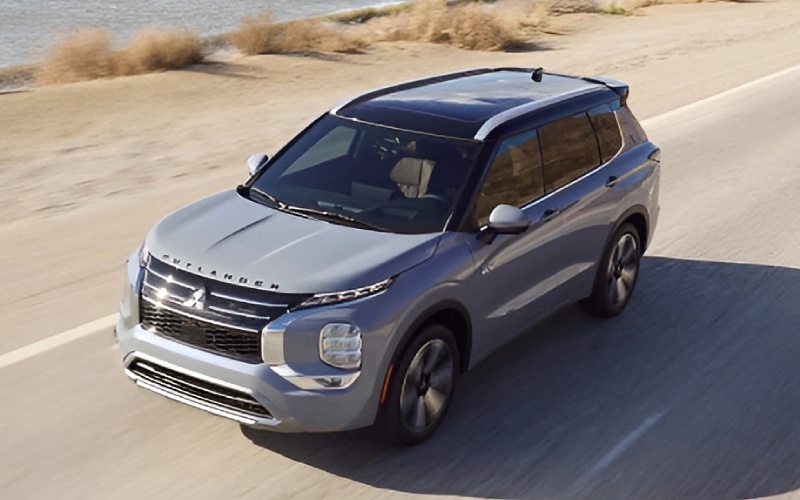
White Bear Mitsubishi – Which plug-in hybrid SUV is better for daily commutes around Blaine, MN — the 2026 Mitsubishi Outlander Plug-In Hybrid or the 2026 Kia Sorento Plug-in Hybrid?
Shoppers often ask a straightforward question that makes a big difference in everyday life: which plug-in hybrid SUV is better for daily commutes around Blaine, MN — the 2026 Mitsubishi Outlander Plug-In Hybrid or the 2026 Kia Sorento Plug-in Hybrid? The answer comes down to how far you can drive on electricity, how quickly you can recharge, and how confidently the vehicle handles when the weather turns. Both SUVs are practical three-row crossovers with standard all-wheel traction and robust safety tech, but the Outlander Plug-In Hybrid centers your day around electric driving with an estimated 45 miles of EV-only range and the option to use DC Fast Charging for rapid top-ups. The Sorento Plug-in Hybrid counters with an EPA-estimated 31 miles of EV range and no DC fast capability — a solid option for mixed driving, but not as flexible for electric-first commuting.
Electric range and what that means for your commute
Think about your routine. Many Blaine-area commutes to business parks in the northern suburbs or into Minneapolis–Saint Paul fall well within a 45-mile radius. With the 2026 Outlander Plug-In Hybrid, that means a round trip for many drivers can be completed primarily on electricity, dramatically trimming gas station visits. The vehicle’s EV, Save, and Charge modes help you tailor energy use — preserve battery for neighborhood streets, or top up while driving on the highway. The Sorento Plug-in Hybrid’s 31-mile EV range is helpful, but it typically means gasoline will come into play sooner on the same routes, especially when detours and errands stretch the day.
Real-world conditions matter, too. Cold temps can reduce EV range in any plug-in hybrid. Here, Mitsubishi’s available DC Fast Charging shines — even with lower temps, you can recover significant range in the time it takes to grab coffee, whereas the Sorento Plug-in Hybrid’s lack of DC fast capability leaves you dependent on slower Level 2 charging away from home.
Charging speeds and where they fit your life
Level 2 home charging keeps both SUVs ready for the morning, but the Outlander Plug-In Hybrid’s available DC Fast Charging is a differentiator for busy, variable schedules. When an unexpected client call sends you from Blaine to meetings by Rosedale or downtown, you can add a major top-up during a short stop and continue your day on electricity. The Sorento Plug-in Hybrid charges well at home and at Level 2 public stations, yet it can’t match that rapid-turn capability. For shoppers planning to lean on public charging to support EV-first driving, this difference is decisive.
Traction and stability for year-round confidence
All-wheel drive is standard on both models, but how each system delivers traction is not the same. The Outlander Plug-In Hybrid uses twin electric motors and Super All Wheel Control with Active Yaw Control to help the vehicle track precisely, especially when lanes are slick with meltwater or early snow. The Sorento Plug-in Hybrid’s AWD with a center locking differential and Terrain Mode is capable and confident, but it doesn’t bring the same twin-motor electric torque response and fine-tuned stability management you get from S-AWC. For commuters crisscrossing Highway 65 or navigating neighborhood streets after a quick squall, that difference can be felt in calm steering and poised acceleration.
Cabin tech and comfort on the move
Both SUVs deliver user-friendly technology. The Outlander Plug-In Hybrid’s 12.3-inch Smartphone-Link Display Audio with Navigation supports wireless Apple CarPlay® and Android Auto™. The available Multi-View Camera System eases tight parking, and the available Digital Rearview Mirror keeps a clear view with a full cabin. The Sorento Plug-in Hybrid offers its own large display with navigation, available Surround View Monitor, and a Full Display Digital Rearview Mirror. Comfort-wise, Mitsubishi’s available Semi-Aniline Premium Leather Seats, available driver and passenger massage seats, and the exclusive Dynamic Sound Yamaha® Premium or Ultimate audio system give the Outlander Plug-In Hybrid a premium edge for long days and late drives.
What about safety on busy suburban arteries?
Advanced safety suites are a strength for both models. The Outlander Plug-In Hybrid offers Forward Collision Mitigation with Pedestrian Detection, Rear Automatic Emergency Braking, Blind Spot Warning with Lane Change Assist, and MI-PILOT Assist™ with Navi-link Adaptive Cruise Control, Stop & Go, Lane Keep Assist, and Traffic Sign Recognition. The Sorento Plug-in Hybrid brings standard Auto Emergency Braking with Pedestrian, Cyclist, and Junction Turning Detection, Rear Cross-Traffic Collision-Avoidance Assist, and available Highway Driving Assist 2. Both are well-equipped; Mitsubishi adds practical visibility features like Headlight Washers and a Front Wiper De-Icer that prove their worth on slushy days.
Quick takeaways for commuters
- Electric-first range: Outlander Plug-In Hybrid’s estimated 45-mile EV range covers more daily drives on electricity than Sorento Plug-in Hybrid’s 31 miles.
- Fast charging flexibility: Outlander Plug-In Hybrid offers DC Fast Charging for meaningful mid-day top-ups; Sorento Plug-in Hybrid does not.
- All-weather traction: Twin-motor S-AWC with Active Yaw Control adds composed, confident tracking in mixed conditions.
- Premium touches: Available massage seating, semi-aniline leather, and Yamaha® audio lend a refined, quiet cabin.
Frequently Asked Questions:
Will a plug-in hybrid save me time at the pump if I have a 30-to-40-mile round trip?
Yes. The Outlander Plug-In Hybrid’s estimated 45-mile EV range means many Blaine-area commutes can be completed on electricity, so you’ll visit the gas station far less often. The Sorento Plug-in Hybrid’s 31-mile EV range helps, but most drivers will use gasoline more frequently over the same distance.
Is DC Fast Charging really a big deal for plug-in hybrids?
For drivers who want to maximize electric driving and stay flexible, yes. With the Outlander Plug-In Hybrid, a brief DC fast stop can add substantial range between meetings or errands. The Sorento Plug-in Hybrid lacks DC fast capability, so you’ll rely on slower Level 2 charging away from home.
How do these SUVs feel in winter conditions?
Both provide confident AWD, but the Outlander Plug-In Hybrid’s twin-motor S-AWC and Active Yaw Control help it feel more composed when traction is mixed. Practical features like Headlight Washers and a Front Wiper De-Icer also help maintain visibility during messy commutes.
Bottom line — for Blaine drivers who want an electric-first commute, quick-charge flexibility, and winter-ready poise, the Outlander Plug-In Hybrid stands out as the more versatile daily driver. It’s a compelling blend of smooth EV acceleration, refined comfort, and smart traction that fits Minnesota routines. If you’re comparing both side by side, a test drive can show how the Mitsubishi’s quiet power and precise control change everyday driving. White Bear Mitsubishi, serving Saint Paul, Blaine, and Roseville, is ready to help you explore charging options, trims, and accessories so your plug-in SUV works exactly the way you want.
Have more questions about home charging, winter range, or road-trip planning? Our team can walk you through real-world scenarios and set up a drive so you can experience how the Outlander Plug-In Hybrid balances EV convenience with long-distance confidence.

0 comment(s) so far on Which plug-in hybrid SUV is better for daily commutes around Blaine, MN — the 2026 Mitsubishi Outlander Plug-In Hybrid or the 2026 Kia Sorento Plug-in Hybrid?