


Brake Parts and Service Expertise near Brooklyn Park, MN
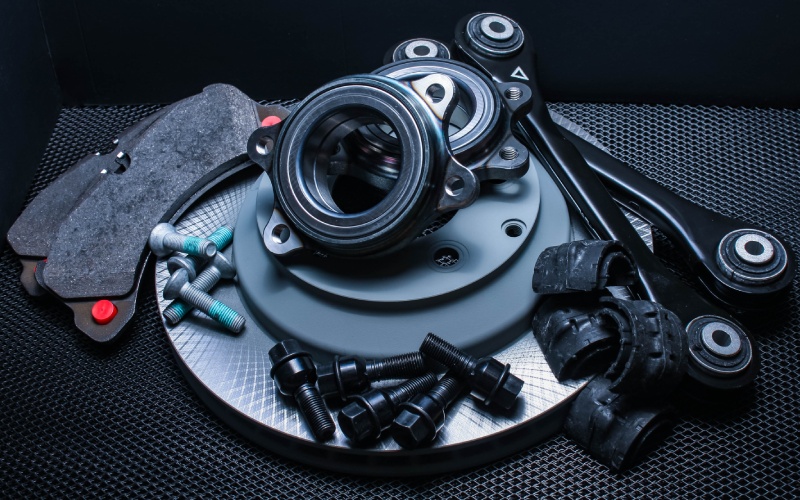
White Bear Mitsubishi – Brake Parts and Service Expertise near Brooklyn Park, MN
Brakes are the quiet hero of every drive — the part you count on but rarely think about until a pedal feels soft, a steering wheel vibrates, or a chirp greets you at each stop. Around the northwest Twin Cities, daily routes like Highway 169, 610, and County Road 81 mix quick merges with steady stoplights, so responsive, confidence-inspiring braking matters. Our parts department pairs exact-fit brake components with clear, practical guidance, and our service team installs and verifies everything to factory torque specs — for most makes and models, not just Mitsubishi.
What your brake system includes
Knowing what’s under the wheel helps you ask sharper questions and make better choices. Here’s a quick, plain-English view of the key parts we match for your vehicle.
- Brake pads: Friction material that clamps the rotor to slow your vehicle.
- Rotors (discs): Metal discs that spin with the wheels and absorb braking heat.
- Calipers: Hydraulic units that press pads against rotors; may be floating or fixed.
- Brake hardware: Clips, shims, and pins that prevent noise and ensure even pad movement.
- Brake hoses and lines: Pathways that carry pressurized fluid to each wheel.
- Brake fluid: Hydroscopic fluid that transmits pedal force; must meet the correct DOT spec.
- ABS sensors and tone rings: Components that inform stability and anti-lock systems.
- Parking brake mechanisms: Cables or electronic actuators that hold the vehicle at rest.
Common signs you may need attention include squealing or grinding, a steering-wheel vibration when slowing from highway speeds, a longer pedal travel, or a pull to one side under braking. A professional inspection confirms whether it’s pad wear, rotor thickness variation, sticky slide pins, fluid condition, or something electronic like a wheel-speed sensor.
How our parts team finds exact-fit brakes for almost any vehicle
The right part list starts with the right identifiers. We use your vehicle’s specifics — and often your VIN — to eliminate guesswork, then tailor recommendations to how and where you drive. Here’s the simple process we follow at the counter.
- Confirm vehicle details: Model year, trim, engine, drivetrain, wheel size, and VIN for precision.
- Check build options: Tow package, performance trim, or heavy-duty brakes change part numbers.
- Match pad material: Ceramic, semi-metallic, or specialty compounds based on your goals.
- Select rotor type: Blank, coated, slotted, or drilled — we’ll explain tradeoffs in heat, dust, and feel.
- Add complete hardware: Fresh clips, shims, slide pins, and lubricant reduce noise and uneven wear.
- Verify system needs: Correct DOT fluid, ABS sensors, and any electronic parking brake requirements.
Our on-hand inventory covers popular fits across many brands, and when something is specialized, we source quickly from trusted suppliers. If you prefer to install at home, we’ll package everything you need. If you want a turn-key visit, our service team completes the install, then test-drives and verifies system performance.
Match pads and rotors to your driving
Not all pads or rotors behave the same. The “best” choice depends on what you value most: quiet stops, low dust, confident feel during repeated hard braking, or maximum longevity. Here’s a quick guide we use with customers.
- Ceramic pads: Quiet, low dust, and gentle on rotors — ideal for daily commuting and family vehicles.
- Semi-metallic pads: Strong initial bite and heat tolerance — good for heavier vehicles or frequent highway braking.
- Specialty compounds: Tuned for towing or spirited driving — higher heat stability with tradeoffs in noise or dust.
- Blank rotors: Durable, budget-friendly, and perfect for everyday use.
- Coated rotors: Anti-corrosion finish protects hats and edges — smart for Minnesota road treatment residue.
- Slotted or drilled rotors: Enhanced gas and water evacuation — niche benefits, often unnecessary for normal street driving.
Don’t overlook the “small” parts. Hardware kits, fresh lubricant for slide pins, and the right fluid spec are key to quiet, consistent performance. After installation, we recommend a proper pad-and-rotor bedding procedure to stabilize friction layers and reduce future vibration.
EVs, hybrids, and modern brake tech
Regenerative braking changes pad life and rotor care. Because motors do much of the slowing, pads can last longer, while rotors may need more attention for corrosion and even use. We check for the correct low-dust compounds, confirm electronic parking brake service modes, and ensure ABS sensors and tone rings meet your model’s requirements. For vehicles with advanced driver-assistance, clean, consistent wheel-speed signals help your safety tech work smoothly.
Quick info to bring when you call or stop by
A few details help us pinpoint your parts fast and avoid return trips.
- VIN: The surest way to get exact pad, rotor, and hardware part numbers.
- Trim and drivetrain: Brakes can differ between FWD, AWD, and performance packages.
- Wheel size: Larger wheels may pair with larger rotors or calipers.
- Towing or payload needs: Influences pad compound and rotor recommendation.
- Electronic parking brake: Determines service mode steps and compatible parts.
- Driving style: Quiet/clean, longevity, or performance priorities guide material choice.
- Recent symptoms: Noise type, vibration speed range, or pedal feel narrows the diagnosis.
If you drive near Brooklyn Park, MN, you know how a morning run down 610 to 252 can swing from smooth cruising to quick, repeated stops. That mix rewards ceramic pads for quiet and cleanliness, coated rotors to resist surface rust, and complete hardware to prevent chatter in stop-and-go traffic. If you frequently tow or carry heavy loads, we will step you up to semi-metallic pads and enhanced rotor options for heat control.
Frequently Asked Questions:
How often should brake pads be replaced?
It depends on pad material, vehicle weight, and driving style. Many daily drivers see 30,000 to 60,000 miles, but frequent city braking or towing can shorten that. An inspection that measures pad thickness and rotor condition gives the clearest answer.
Do I need to replace rotors every time I replace pads?
Not always. Rotors must meet minimum thickness and be free of deep grooves or hot spots. If they are worn, warped, or below spec, replacement is the right move. Even when reusing rotors, proper cleaning and correct bedding with new pads are essential.
What brake fluid should I use?
Use the DOT spec listed in your owner’s manual or on the reservoir cap — typically DOT 3, DOT 4, or a low-viscosity variant for certain systems. Mixing specs can cause performance issues, so we match fluid precisely and recommend periodic fluid exchanges.
My brakes squeal but stop fine. Is that normal?
Occasional light squeal can happen due to dust, humidity, or pad composition. Persistent or loud squeal often points to worn pads, glazed surfaces, missing hardware, or incorrect lubrication. A quick inspection identifies whether it is harmless noise or a fixable issue.
Can you service non-Mitsubishi vehicles?
Yes. Our parts counter sources exact-fit pads, rotors, hardware, and sensors for most brands, and our certified technicians service all makes and models. We verify compatibility by VIN and confirm system needs, including electronic parking brakes and ABS components.
How long does a typical brake job take?
Front or rear pad-and-rotor service often fits into a same-day visit when parts are in stock, with timing influenced by rusted hardware, electronic parking brake setup, or sensor replacement. We’ll set clear expectations once we inspect your vehicle.
Ready to restore smooth, confident stopping? Whether you are tackling the job yourself or want expert installation, our parts department will quickly match the right pads, rotors, hardware, and fluid to your vehicle and your goals. From everyday commuters to SUVs and hybrids, we are here to make the process simple, precise, and reliable — all a short drive from the northwest metro and near Brooklyn Park, MN. Visit or contact our team today at White Bear Mitsubishi, and let’s get your braking system dialed in with parts you can trust and service you can feel on the very first stop.

0 comment(s) so far on Brake Parts and Service Expertise near Brooklyn Park, MN