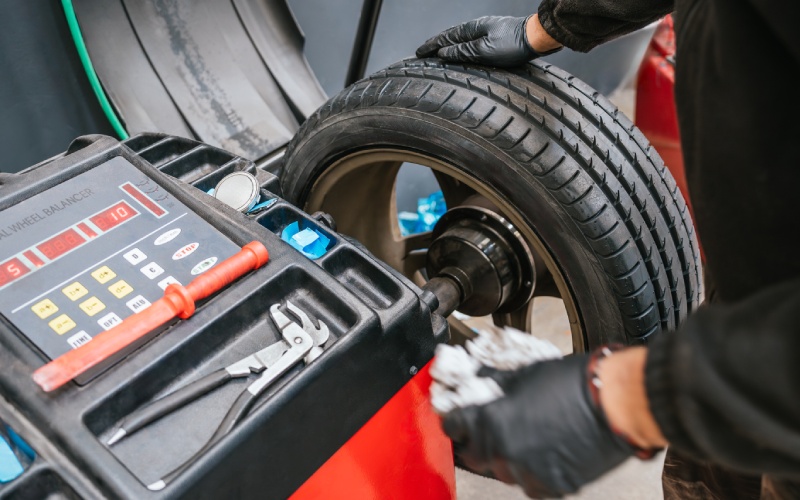
If you’re searching for the right replacement tires, TPMS sensors, or wheel fitment parts for a Mitsubishi Outlander, Outlander Sport, or Eclipse Cross, you want specifics that make your decision fast and accurate. Our Parts Center looks up the exact OEM part numbers by VIN, stocks common tire sizes across Mitsubishi SUVs, and supports quick in-store pickup with delivery options to local shops. Daily driving around I-694, Hwy 252, and County Road 81 exposes wheels and tires to potholes, expansion joints, and salt-treated surfaces, so selecting the correct size, load index, and sensor hardware matters for steering feel, braking distance, and S-AWC/ABS calibration. At White Bear Mitsubishi, our ASE- and Mitsubishi-certified team verifies fitment, including hub bores, offsets, and valve hardware, and can coordinate installation with our tire center if you prefer expert mounting and road-force balancing. We also support body shops and insurance-coordinated repairs with OEM replacement wheels, trim-matched center caps, and TPMS kits. With Parts hours designed for commuter schedules and a dedicated tire inventory, we help drivers keep SUVs quiet, stable, and safe on Twin Cities routes. Use this guide to zero in on the correct tire sizes, understand TPMS and wheel-fit details, and know when related parts—like hub-centric rings, studs, or splash shields—should be replaced together for long-term reliability.
Sidewall codes combine section width, aspect ratio, and wheel diameter, and should align with OEM specs to keep your speedometer and driver-assistance systems accurate. Load index and speed rating are equally important; a tire with insufficient load capacity can overheat on longer I-94 or I-35W trips, while an underrated speed rating may compromise wet-stability in heavy rain. If you alternate between downtown commutes and weekend highway miles, consider an H- or V-rated all-season tuned for quietness and siping. For Outlander PHEV owners, tire rolling resistance also influences EV range—an OEM-spec low-rolling-resistance option helps retain efficiency without dulling steering response. Our team confirms your exact size, rating, and construction, then recommends tread patterns that balance wet grip, hydroplaning resistance, and even-wear when rotated every 5,000 to 7,500 miles.
Modern Mitsubishi SUVs rely on direct TPMS sensors to report live tire pressure, support ABS and stability logic, and keep warning lamps accurate. Sensor batteries typically last 5 to 10 years, and replacement is smart anytime tires are remounted, a corrosion-spot is seen on the valve stem, or a sensor ID won’t relearn after a tire swap. We stock OEM TPMS sensors pre-matched to Mitsubishi frequency and protocol, plus service kits (seal, core, cap, and nut) to refresh reusable sensors when tires are changed. If a curb strike on Brooklyn Blvd bends a rim or breaks a valve stem, pairing a new OEM wheel with a programmed OEM sensor helps avoid persistent DTCs and intermittent TPMS lights. We also carry replacement valve stems for both aluminum and rubber configurations, matching seat angles to prevent slow leaks. For fleet or gig drivers near Brooklyn Center, MN, our parts pros can pre-program compatible sensors by VIN so tire changes move quickly at your preferred shop. White Bear Mitsubishi supports EVs, too—if your Outlander PHEV uses an intelligent battery sensor near the negative terminal, we’ll guide safe service practices when the 12-volt system is opened during tire, wheel, or brake work.
Wheel purchases are more than aesthetics—each dimension affects steering geometry, ride quality, and bearing loads. If you’re swapping to a winter set, we’ll confirm brake-clearance templates and ring sizes, then supply the correct lug nuts or bolts for your wheel’s seat profile. It’s also smart to inspect studs and splash shields after pothole hits, since deformed studs won’t consistently torque and bent shields can scrape new wheels. When a rim is bent beyond straightening, we order a matching OEM wheel so center caps, finish, and valve angle remain identical. Alignment hardware (like camber bolts) and wheel-speed sensor wiring should be checked after wheel or suspension work—one pinched wire can trigger warning lamps that mimic TPMS issues. Our parts team coordinates with service to keep your fitment precise, quiet, and road-ready across the North Metro.
How do I know my Mitsubishi TPMS sensor is failing?
Watch for a persistent TPMS light after pressures are corrected, intermittent readings, or a sensor that won’t relearn during rotations. Sensors with weak batteries or corroded stems should be replaced proactively during a tire change.
Can I mix tire brands if the size is the same?
Mixing brands and tread designs can cause uneven handling and traction, especially in wet or slushy conditions. Matching four tires—size, load, speed rating, and pattern—supports stable S-AWC responses and even wear.
Do I need new valve-stem service kits with each tire replacement?
Yes—replacing seals, cores, caps, and nuts prevents slow leaks and protects aluminum stems from galvanic corrosion. It’s an inexpensive way to prevent repeat mount-and-balance visits.
Will downsizing wheels for winter harm performance?
When done within OEM rolling-diameter limits and with proper offset and hub-centric fit, a smaller winter wheel can improve ride comfort and pothole resistance without hurting ABS or stability functions.
Can you deliver parts to my preferred shop near Brooklyn Center, MN?
Yes—our Parts Center offers delivery options and supports insurance repairs with OEM wheels, trim-correct caps, and programmed TPMS sensors. Ask our team for delivery windows to your location.
How often should I rotate Mitsubishi SUV tires?
Every 5,000–7,500 miles is typical. Rotations align with oil-change intervals and help maintain quietness, steering feel, and even wear across the set.
Selecting tires, TPMS hardware, and wheels is simpler with a partner that verifies every dimension before you buy. Our Parts Center looks up Mitsubishi OEM specifications by VIN, stocks common Outlander, Outlander Sport, and Eclipse Cross tire sizes, and provides TPMS sensors and valve kits programmed for fast lane service near Brooklyn Center, MN. White Bear Mitsubishi can also coordinate professional mounting, balancing, and post-installation alignment checks if you prefer end-to-end support. Whether you need a single OEM wheel after a pothole hit on I-694 or a complete winter set with hub-centric rings and seat-matched lug nuts, we’ll match parts to your SUV’s exact trim and build. Call or visit during Parts hours, bring your VIN, and we’ll prepare an accurate quote, confirm availability, and arrange pickup or delivery. Your Mitsubishi will track straight, stay quiet, and feel confident on every North Metro drive—backed by Mitsubishi-focused expertise from our tire and parts team.