Ceramic vs. Semi-Metallic Brake Pads — Expert Parts Guidance near Burnsville, MN

Ceramic vs. Semi-Metallic Brake Pads — Expert Parts Guidance near Burnsville, MN
Schedule Service

Ceramic vs. Semi-Metallic Brake Pads — Expert Parts Guidance near Burnsville, MN

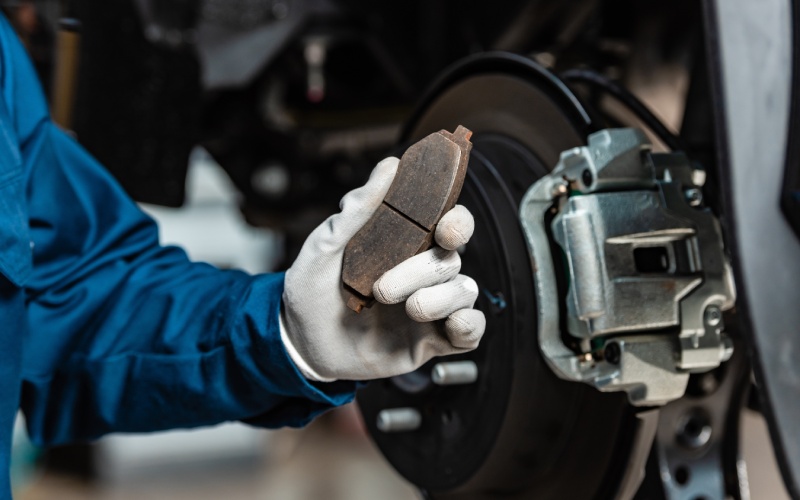
Choosing the right brake pads is one of the simplest ways to shape how your Mitsubishi stops, sounds, and wears over time. Ceramic and semi-metallic pads are the two most common options, and each excels in different scenarios. Ceramics use fine ceramic fibers with copper or other fillers to deliver quiet operation, low dust, and stable performance across a broad temperature range. Semi-metallic pads blend steel, iron, and graphite into a high-friction compound that bites hard, sheds heat quickly, and maintains feel during repeated stops. Around the Twin Cities—think highway merges, downtown ramps, and quick four-way stops—either compound can be the right fit depending on how, where, and what you drive. If you prioritize a calm cabin, cleaner wheels, and smooth pedal feel for everyday commuting near Burnsville, MN, ceramics check a lot of boxes. If your driving includes frequent heavy loads, steeper river valley grades, or more spirited braking, semi-metallic pads can provide stronger initial bite and fade resistance. Our parts specialists match pad formulas to your VIN, rotor design, ABS and traction control calibration, and towing or wheel-and-tire setups, helping you balance comfort, control, and long-term rotor life. At White Bear Mitsubishi, you also get genuine OEM options engineered for your specific model and driving tech, so the pads you choose complement the rest of your brake system from day one. Have questions about bedding procedures, rotor pairing, or warranty compatibility? Our team explains the nuances clearly and coordinates installation with our service advisors for a seamless experience.

Ceramic vs. Semi-Metallic Brake Pads — Expert Parts Guidance near Burnsville, MN

Key Differences: Ceramic vs. Semi-Metallic

  • Material makeup: Ceramics use fine ceramic fibers with copper; semi-metallics use steel, iron, and graphite for higher friction.
  • Noise and comfort: Ceramics are typically quieter with smoother feel; semi-metallics can be more audible, especially when cold.
  • Initial bite: Semi-metallics deliver a stronger first grab; ceramics emphasize linear, progressive response.
  • Heat and fade: Semi-metallics shed heat faster under repeated stops; ceramics stay consistent across everyday temperature swings.
  • Dust and cleanliness: Ceramics create lighter-colored, lower-volume dust; semi-metallics can produce darker dust on wheels.
  • Rotor wear: Ceramics are easier on rotors; semi-metallics trade faster rotor wear for higher friction and cooling.
  • Weather range: Modern ceramics perform well in cold; semi-metallics maintain bite during subfreezing stops and steep descents.
Key Differences: Ceramic vs. Semi-Metallic

How do you apply these differences to real driving? If your week is heavy on I-35W cruising, school drop-offs, and stoplights in Apple Valley and Eagan, ceramic pads deliver quiet confidence and cleaner wheels without sacrificing everyday stopping power. If your routine includes trailer duty, frequent airport runs with a full cabin, or spirited drives along river bluffs with tight ramps and short merge lanes, semi-metallic pads add reassuring bite and thermal stability. Our parts team cross-references your VIN, rotor design, wheel diameter, and towing accessories to recommend the right friction pair, then coordinates optional installation with factory-trained technicians. Prefer to wrench at home? We provide hardware kits, shims, and bed-in guidance so your new pads seat correctly, wear evenly, and communicate clearly through the pedal from the very first mile. Ask us for specifics.

How Our Parts Team Helps You Choose

Brake pad selection is part science, part fitment, and part goals. Our Parts Center starts with your VIN to confirm caliper type, rotor sizing, pad thickness, and hardware style, then narrows choices to OEM pads engineered for your model’s ABS, ASC, and emergency braking algorithms. Daily-driver Outlander, Eclipse Cross, and Mirage owners often prefer ceramic pads for hush-quiet stops and low dust, while Outlander PHEV drivers who tow or tackle long downhill grades may appreciate semi-metallic bite and heat capacity. If you’ve upsized wheels, added winter tires, or carry roof cargo, we factor in weight, rolling resistance, and contact patch to keep pedal effort natural and stopping distances predictable. Ordering is simple—place a request online or call our parts desk, and we can deliver locally, stage will-call, or coordinate install with service. We work with all major insurance companies after a brake-related accident repair, and we stock hardware kits, shims, and rotor options so the whole system performs as designed. For do-it-yourselfers near Burnsville, MN, we include torque specs, lubrication points, and bed-in guidance with your pickup. For those who prefer a handoff, our advisors schedule installation with certified technicians who test-drive, re-torque lugs, and verify no ABS or brake warning lights are set. At White Bear Mitsubishi, the goal is simple—get you the right friction pair, fitted right, the first time, with written fitment notes.

How Our Parts Team Helps You Choose
When To Replace Pads — Symptoms, Inspections, and Service Basics
  • Brake feel: A soft, spongy, or longer-travel pedal suggests pad wear, glazing, or air in the system.
  • Sounds: Consistent squeal, chirp, or scraping that returns after rain can indicate wear indicators or metal-on-rotor contact.
  • Vibration: Pulsation through the pedal or steering wheel under braking often points to uneven rotor thickness or pad deposits.
  • Visual thickness: If friction material looks thin—roughly the height of two stacked credit cards—it is time to plan a replacement.
  • Dashboard lights: ABS, brake, or traction warnings after a pad change can signal sensor, harness, or bed-in issues.
  • Rotor condition: Blueing, grooves, or a lip at the outer edge means the rotor needs machining evaluation or replacement.
  • Fluid: Dark, moisture-laden brake fluid degrades pedal feel; pair pad service with a fluid exchange when due.
  • Mileage baseline: Urban stop-and-go shortens pad life; highway-heavy commuting tends to extend service intervals.
When To Replace Pads — Symptoms, Inspections, and Service Basics

Brakes work best as a matched system—pads, rotors, hardware, and fluid. When you schedule service, our advisors inspect the full stack, confirm pad thickness at all corners, and verify even wheel torque, which helps protect rotor life. Certified technicians perform the work with Mitsubishi-specific tools and procedures, then road-test and check for any ABS or traction control alerts before returning your keys. Scheduling is easy online, and convenience keeps going with a lounge, Wi-Fi, and a complimentary touchless car wash with every service when temperatures permit. Prefer to keep weekends flexible? Saturday availability and an express lane for quick services help you stay on track without rearranging your week.

FAQs About Ceramic and Semi-Metallic Pads

Which pads stop my vehicle the quickest?

In repeated stops, a semi-metallic pad provides strong initial bite and better fade resistance. In everyday traffic, modern ceramics match stopping distances while staying quieter. The best choice depends on heat load, tire grip, and rotor condition.

Are ceramic pads good for cold Minnesota mornings?

Yes. Ceramics are formulated to work from low temperatures and remain consistent as brakes warm. If you tow or descend long grades in subfreezing weather, semi-metallic pads can maintain bite after multiple stops.

Do I need new rotors when replacing pads?

Not always. Rotors must meet minimum thickness, runout, and finish. If they are grooved, blue, lip-worn, or below spec, replacement is safest. Properly prepared rotors with fresh pads help prevent noise and vibration.

Can I mix ceramic in front and semi-metallic in back?

It is possible, but balance matters. Mixing types can change bias and ABS behavior. Our parts team reviews your model’s tuning and recommends a matched set to preserve stability and pedal feel.

How long do pads last around the Twin Cities?

Driving style, traffic, and hills matter. Expect 30,000 to 60,000 miles, but heavy stop-and-go and frequent short trips shorten life. Periodic inspections catch wear trends before the squealer ever sounds.

Can your Parts Center deliver or hold parts for pickup?

Yes. We deliver, stage will-call, or coordinate installation with service. If you wrench at a home garage near Burnsville, MN, we include hardware, shims, and bed-in guidance with the order.

Your Next Step — Talk Brakes With Our Parts Experts

Brake pads connect intent to road, and the right material keeps every stop calm, confident, and consistent. Whether you lean toward the quiet cleanliness of ceramics or the robust bite of semi-metallics, our Parts Center is ready to help you dial in a setup that fits your Mitsubishi and your routine. We stock genuine OEM pads matched to your VIN, plus the hardware, shims, and rotors that let the whole system work as designed. Prefer expert installation? Our advisors can book service with factory-trained technicians, road-test the result, and send you off with smooth, silent pedal feel. Prefer to DIY? Order online or call our parts desk, and we will confirm compatibility, stage will-call, or arrange delivery. If a brake warning light, a new vibration, or extra pedal travel has you wondering what is next, bring your questions. We will inspect, explain options in plain language, and outline a step-by-step plan that protects safety and long-term value. Count on White Bear Mitsubishi for parts insight you can trust, friendly guidance without pressure, and a quick path from decision to driveway. When you are ready, reach out to our Parts Center to get matched with the right pads—and the confidence that comes with expert support. Want help today? Stop by our counter during convenient weekday and Saturday hours, bring your VIN, and tell us how you drive. We will build a parts list that fits your goals, timeline, and budget expectations, then set you up with installation or a pickup plan.


Contact Us

We would love to hear from you! Please fill out this form and we will get in touch with you shortly.
  • This field is for validation purposes and should be left unchanged.

Saved Vehicles

You don't have any saved vehicles!

Look for this Save icon

Once you've saved some vehicles, you can view them here at any time.

White Bear Mitsubishi 45.04428554971414, -93.03630364551404.